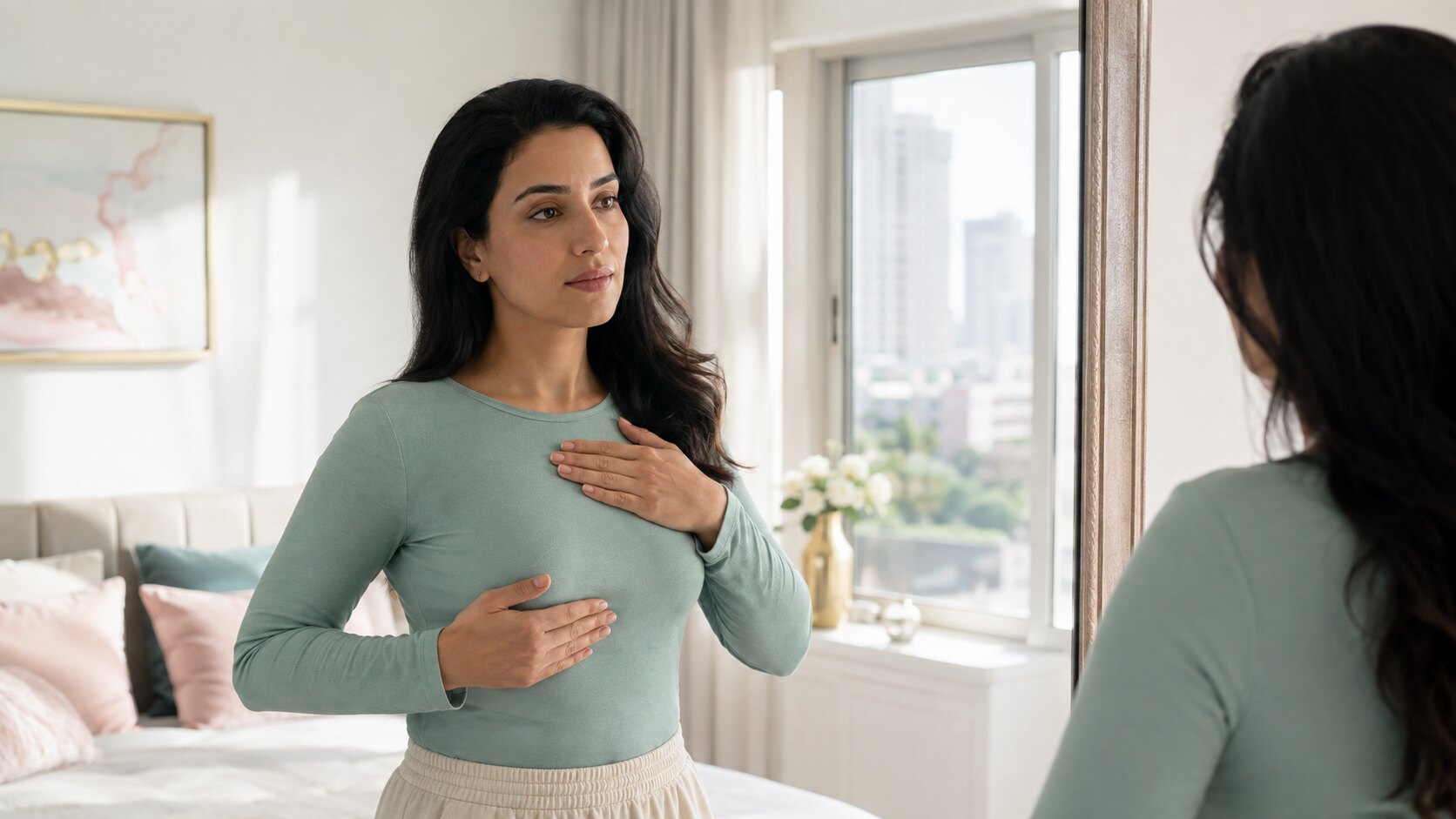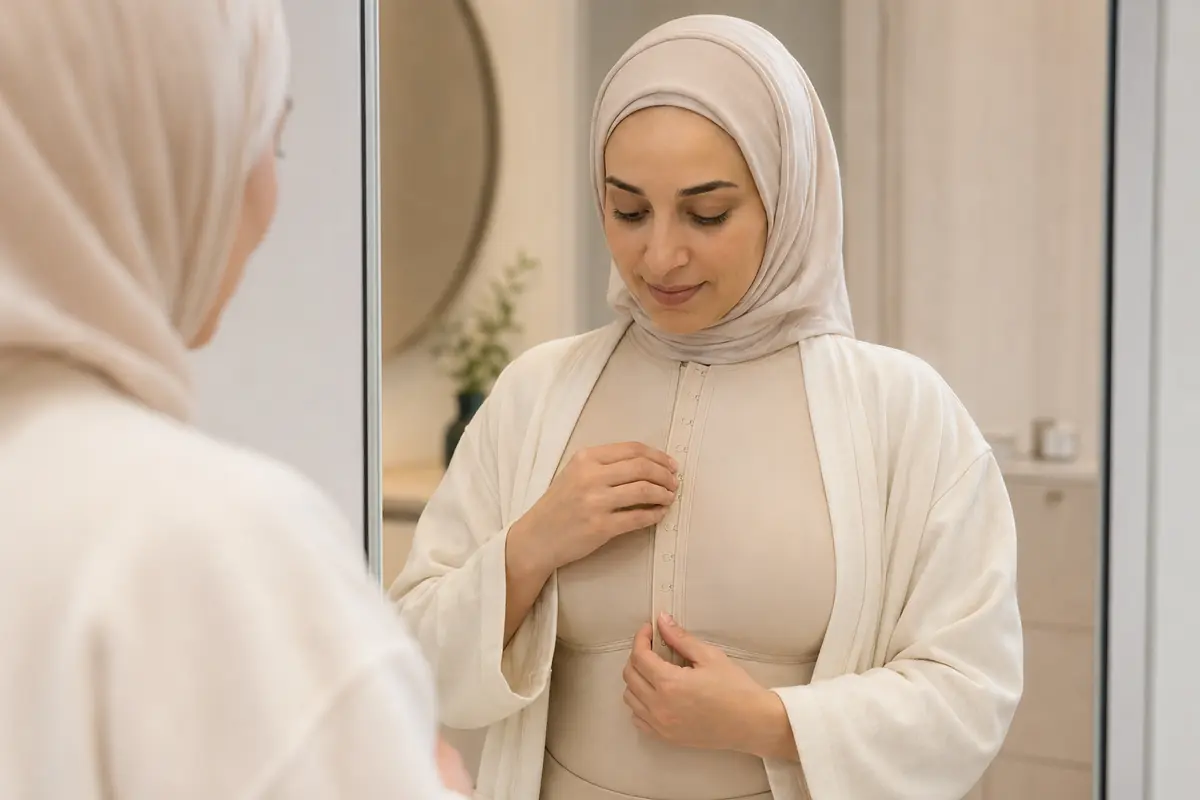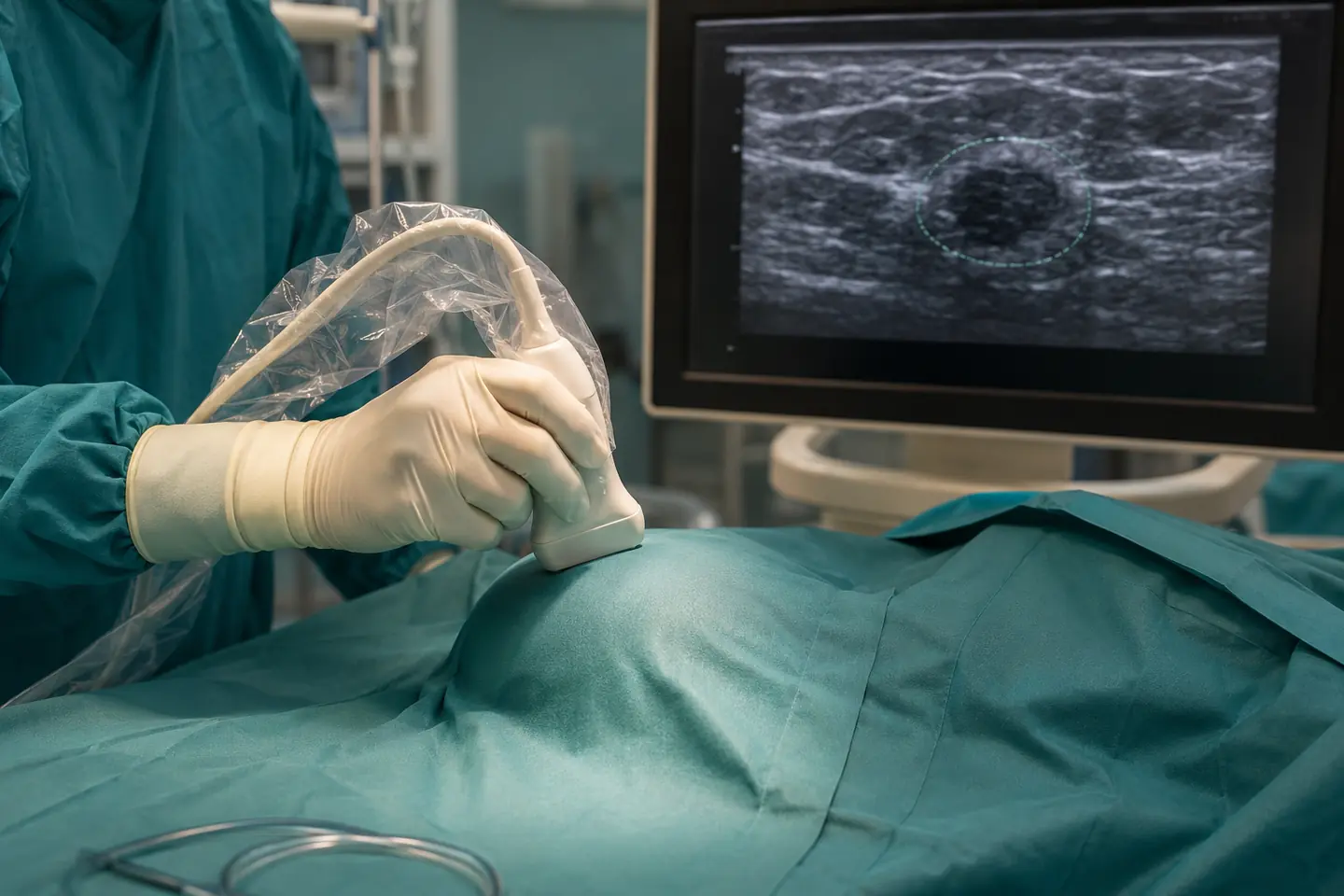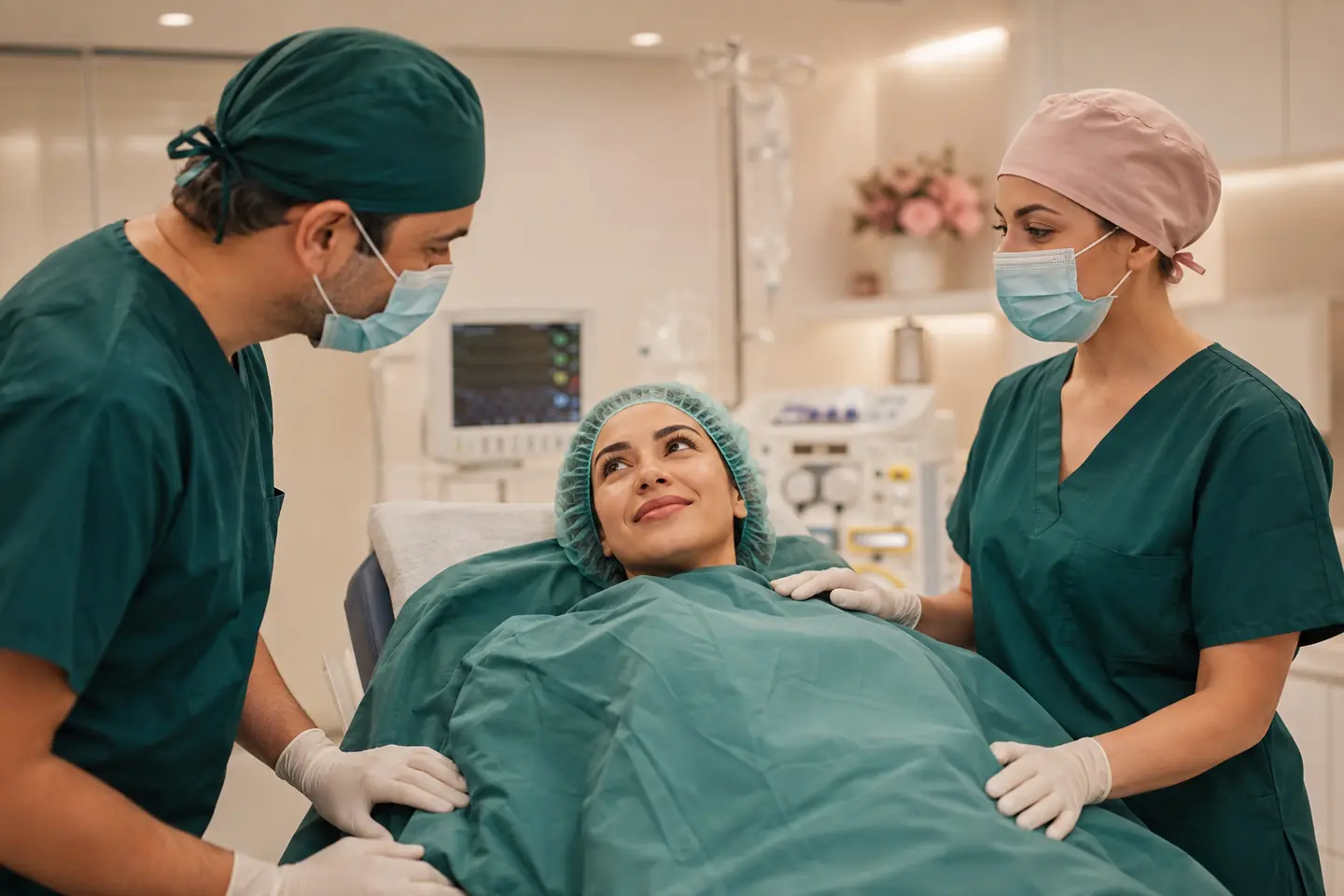
Awake breast augmentation is attracting interest from patients who want less general anaesthesia and a quicker return to normal activity. Motiva Preservé is presented by its manufacturer as a tissue-preserving approach that creates an implant pocket through a small access incision, often using local anaesthesia with the patient awake or lightly sedated. It is important to separate the marketing description from what the US FDA has actually approved.
What did the FDA approve?
In September 2024, the US Food and Drug Administration approved Motiva SmoothSilk Round and Motiva SmoothSilk Round Ergonomix silicone gel breast implants through the premarket approval pathway. The approved indications include primary and revision breast augmentation in women aged 22 years or older, as well as reconstruction.
This is approval of specified medical devices for stated indications. It does not mean that the FDA has approved an operation called Motiva Preservé, every instrument used with it, or an awake anaesthetic plan. Surgical techniques and anaesthesia are clinical decisions, while device availability and regulatory status also differ by country.
What does “awake” really mean?
Awake does not mean no anaesthesia. Local anaesthetic is used to numb the operating area and some patients may also receive carefully monitored sedation. The appropriate setting, monitoring and anaesthetic professional depend on the patient, the planned procedure and local rules.
No ethical clinic should promise a completely pain-free experience. Patients can feel pressure or movement, and discomfort, bruising and postoperative pain remain possible. Anxiety, medical conditions, anticipated pocket complexity, combined procedures or patient preference may make general anaesthesia the safer or more comfortable option.
How is the Preservé concept different?
The manufacturer describes a controlled, tissue-preserving pocket created with dedicated instruments rather than extensive dissection. The aim is to limit tissue disruption and support a smaller-incision, faster-recovery pathway in selected patients. These are proposed advantages, not guaranteed outcomes, and evidence for a newer technique continues to develop.
The implant still has to be matched to chest width, tissue thickness, skin quality and the result desired. A narrow channel or small scar does not compensate for an implant that is too large, poor soft-tissue coverage or an untreated breast droop. Some patients are better served by conventional augmentation, fat transfer, a breast lift, a combined lift and implant, or no surgery.
Who may be suitable?
Potential candidates are healthy adults seeking a proportionate volume increase who have suitable breast anatomy and realistic expectations. Assessment should address smoking, medications, pregnancy and breastfeeding plans, previous surgery, breast imaging, asymmetry, skin laxity and personal or family breast history.
Preservé may not be appropriate when significant lifting, complex revision, removal of a firm capsule, major asymmetry correction or extensive pocket work is required. The final decision follows examination; it cannot be made from a message or photograph alone.
Risks and long-term responsibilities
Using a smaller access route does not remove the established risks of implants. These include infection, bleeding, fluid collection, altered sensation, capsular contracture, implant displacement, asymmetry, rupture, visible rippling, reoperation and rare implant-associated cancers. Breast implants are not lifetime devices.
Patients should receive the manufacturer’s patient information, implant card, a discussion of alternatives and a follow-up plan. For silicone implants, ask about imaging recommended to detect silent rupture. Seek urgent review for increasing swelling, severe pain, fever, spreading redness, shortness of breath or sudden breast change.
The balanced conclusion
Awake augmentation with a tissue-preserving method can be an option for carefully selected patients, but it should not be sold as universally suitable, risk-free or guaranteed painless. Motiva’s specified implants have FDA approval; the Preservé operation itself is not an FDA-approved procedure. Safe results depend on consultant-led selection, correct implant planning, appropriate anaesthesia and reliable follow-up.
Sources reviewed
US FDA — Motiva breast implant premarket approval P230005: https://www.accessdata.fda.gov/scripts/cdrh/cfdocs/cfpma/pma.cfm?id=P230005
US FDA — Motiva patient labelling: https://www.accessdata.fda.gov/cdrh_docs/pdf23/P230005C.pdf
Motiva USA — Manufacturer information about Preservé: https://motivausa.com/patient/preserve