
Breast Calcifications on a Mammogram: Follow-Up or Biopsy?
Calcium specks on a mammogram are not a diagnosis. Learn how the imaging assessment guides follow-up or targeted biopsy, what confirms adequate sampling and when to seek help.
Read articlePatient education
Clear, evidence-informed articles to help you understand breast symptoms, investigations, surgical options and recovery.
Calcium specks on a mammogram are not a diagnosis. Learn how the imaging assessment guides follow-up or targeted biopsy, what confirms adequate sampling and when to seek help.
Read article
A practical guide to surveillance mammography after lumpectomy or mastectomy, reconstruction nuances, test results and symptoms that should not wait for a routine scan.
Read article
A phased, evidence-based guide to gentle shoulder movement, physiotherapy, return to strength and warning signs after breast or axillary surgery.
Read article
A persistent lump deserves assessment during breastfeeding. Understand imaging, when a biopsy is needed, feeding advice and the latest evidence on biopsy complications.
Read article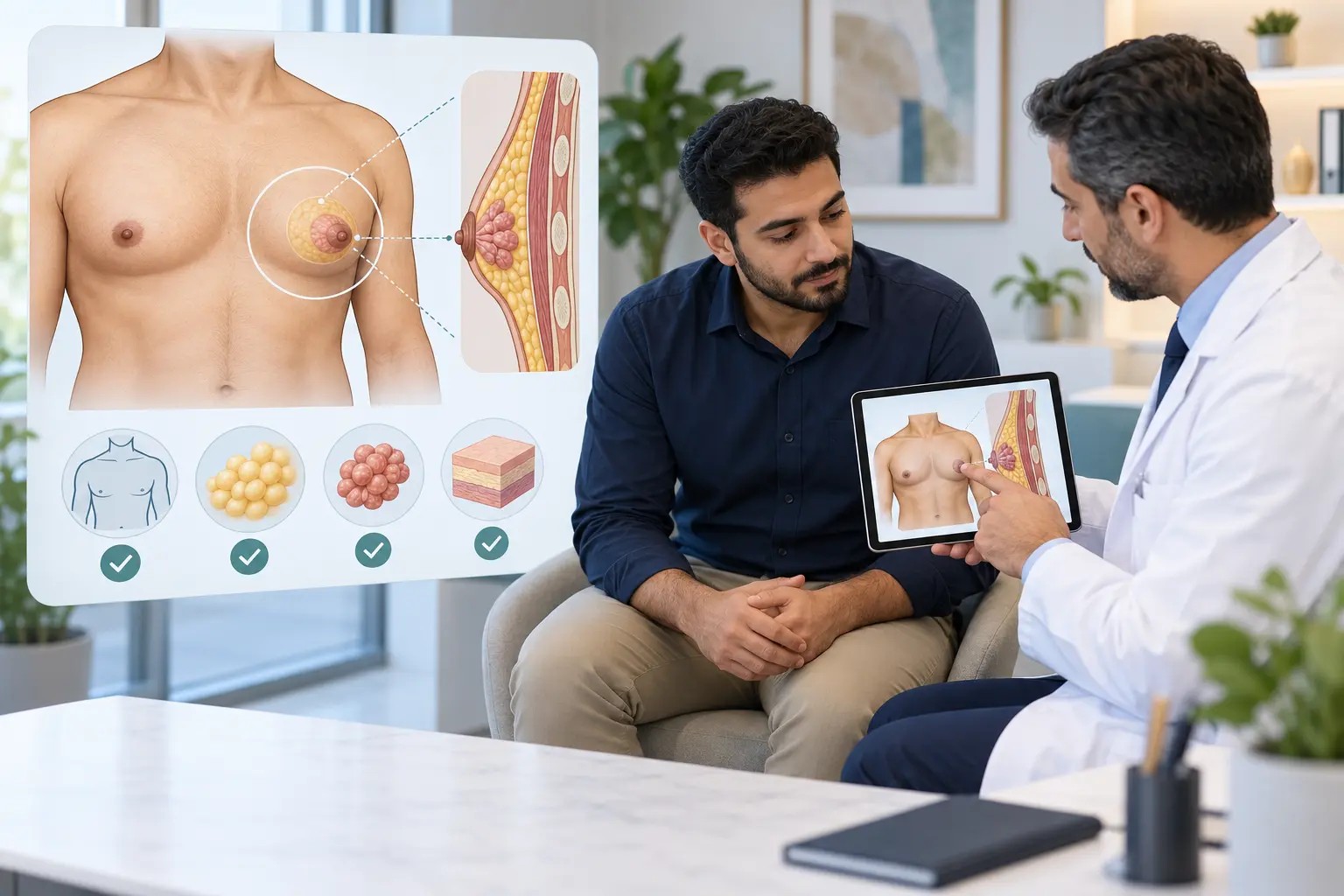
A practical, evidence-based guide to confirming the diagnosis, comparing surgeon credentials, matching the operation to gland, fat and skin, and arranging safe follow-up.
Read article
Not every postoperative fluid collection needs drainage. Learn how symptoms guide observation or aspiration, why fluid can return, and when swelling needs urgent assessment.
Read article
Nipple-sparing mastectomy preserves the external nipple and breast skin, but it does not preserve normal breast tissue or guarantee sensation. Learn how candidacy, the nipple margin, reconstruction and early circulation checks shape a safe plan.
Read article
Reconstruction can begin during mastectomy, after cancer treatment, or through a staged pathway. Learn how radiotherapy, reconstruction type, health and personal priorities shape the timing decision.
Read article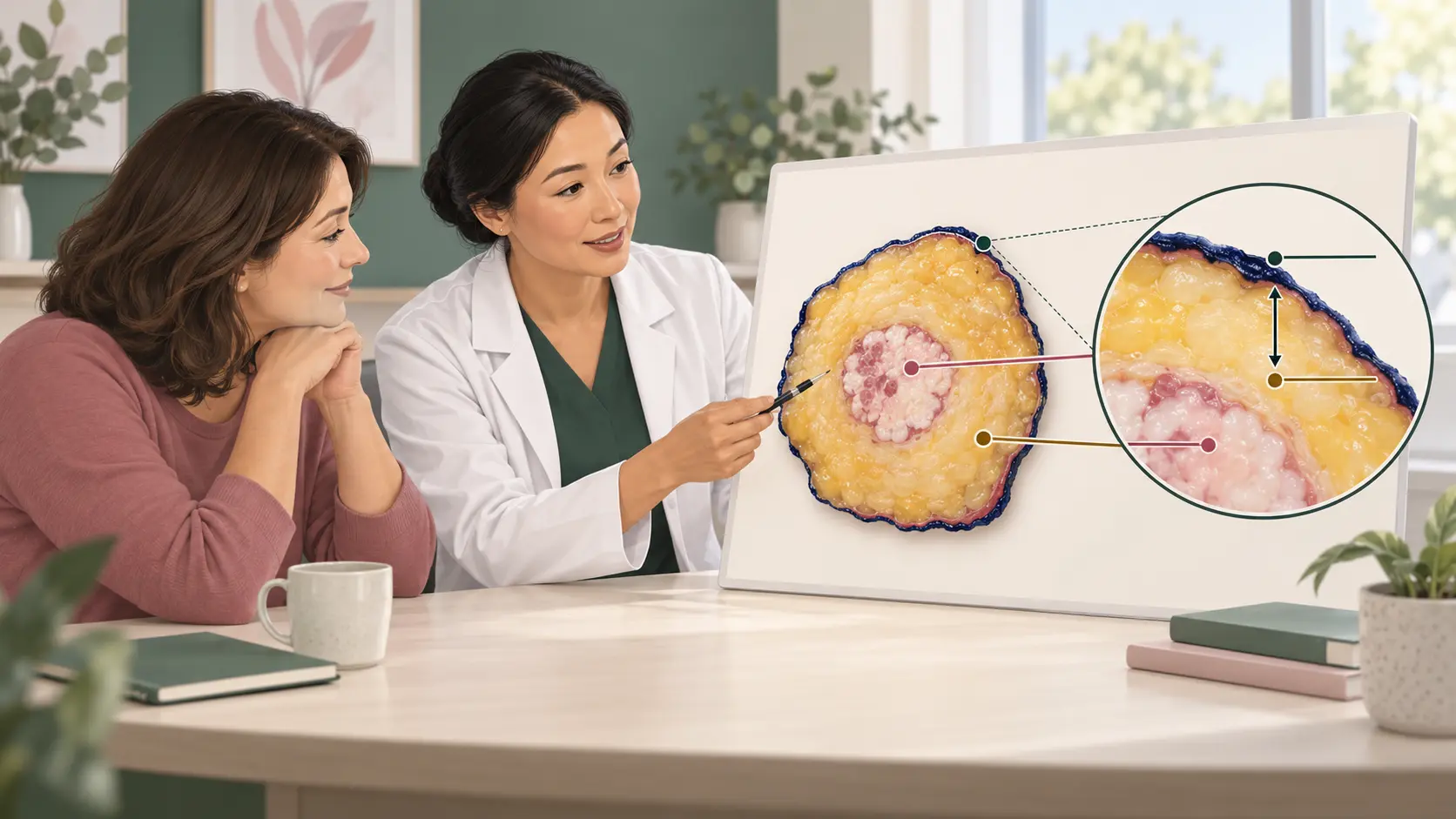
Your margin result shows whether cancer cells reach the inked edge of the lumpectomy specimen. Learn why invasive cancer and DCIS use different standards and when more surgery may be discussed.
Read article
Most breast lumps are benign, but every new or persistent change deserves a proper clinical assessment.
Read article
A benign biopsy needs to explain the area seen on imaging. Learn what a mismatch means, why another sample may be advised, and what to ask at your results appointment.
Read article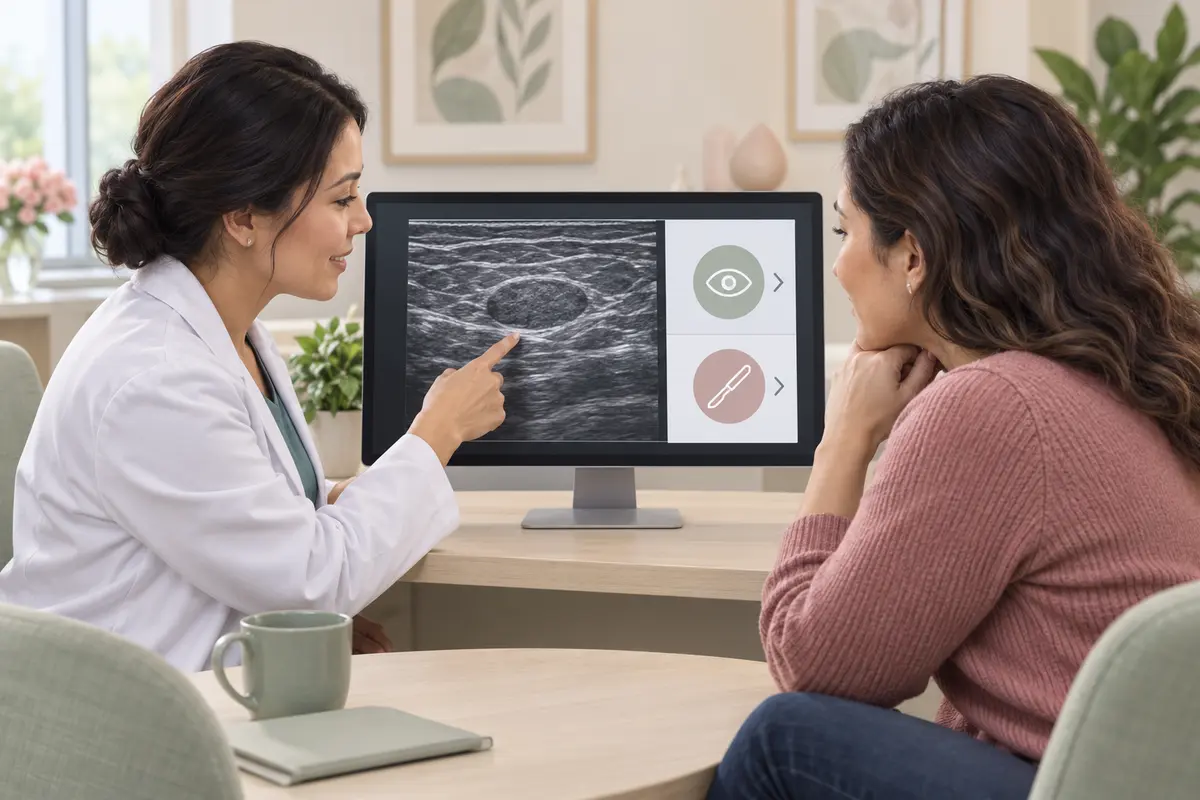
A confirmed fibroadenoma often needs no operation. Observation, biopsy or removal depends on imaging–pathology agreement, symptoms, growth and patient preference.
Read article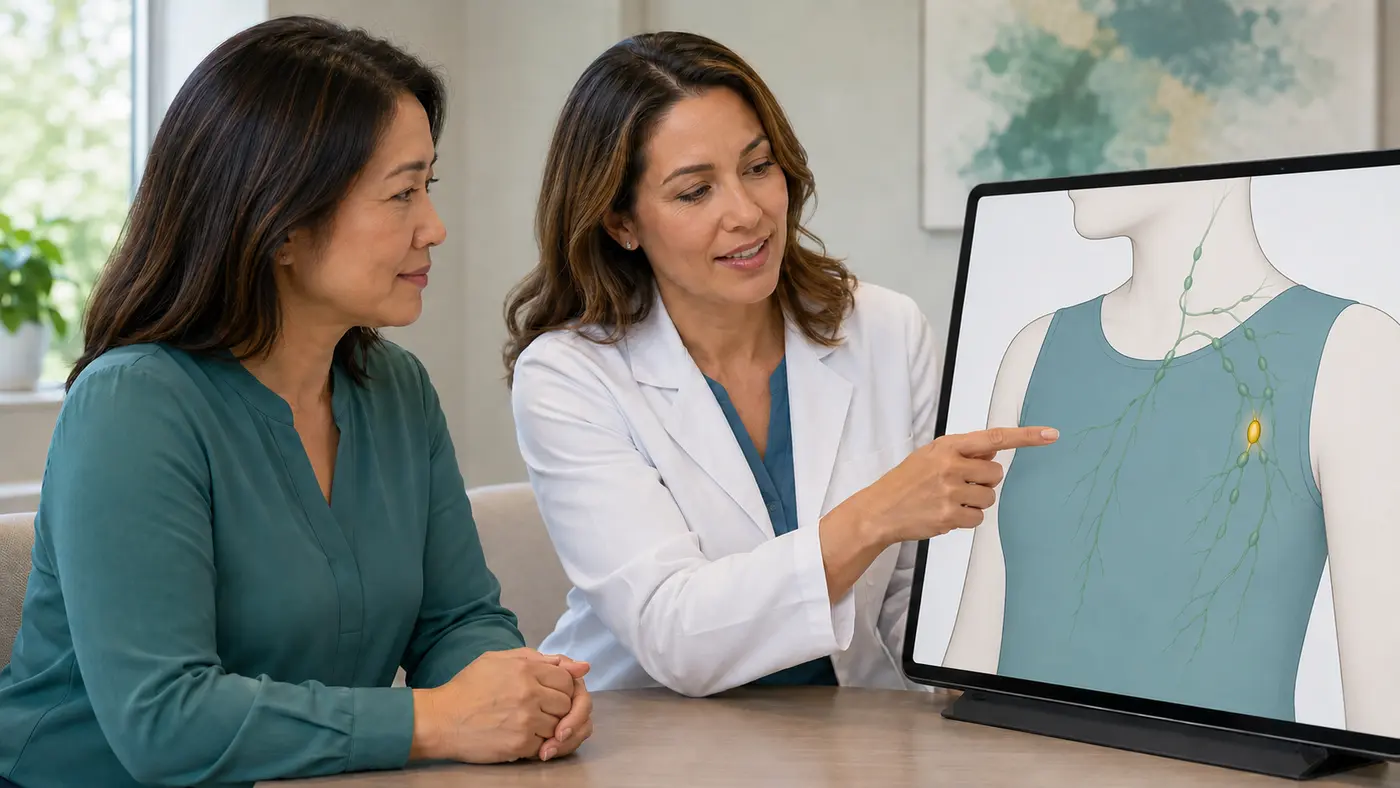
Sentinel lymph-node biopsy checks the first underarm nodes most likely to receive breast-cancer cells, helping stage treatment while limiting unnecessary surgery.
Read article
A surgical drain needs clean handling, secure tubing and a simple output record. Learn what may be expected, what can go wrong and when to seek urgent care.
Read article
Bruising and swelling can be part of breast-surgery recovery, but spreading redness, increasing pain, cloudy drainage, fever or wound opening need prompt assessment.
Read article
Arm, hand, breast or chest-wall heaviness and swelling can be early lymphoedema after breast-cancer treatment. Early assessment helps distinguish it from infection, a clot or normal postoperative swelling.
Read article
A well-fitted postoperative bra can support comfort and limit breast movement, but it does not reliably prevent bleeding or seroma and must never be dangerously tight.
Read article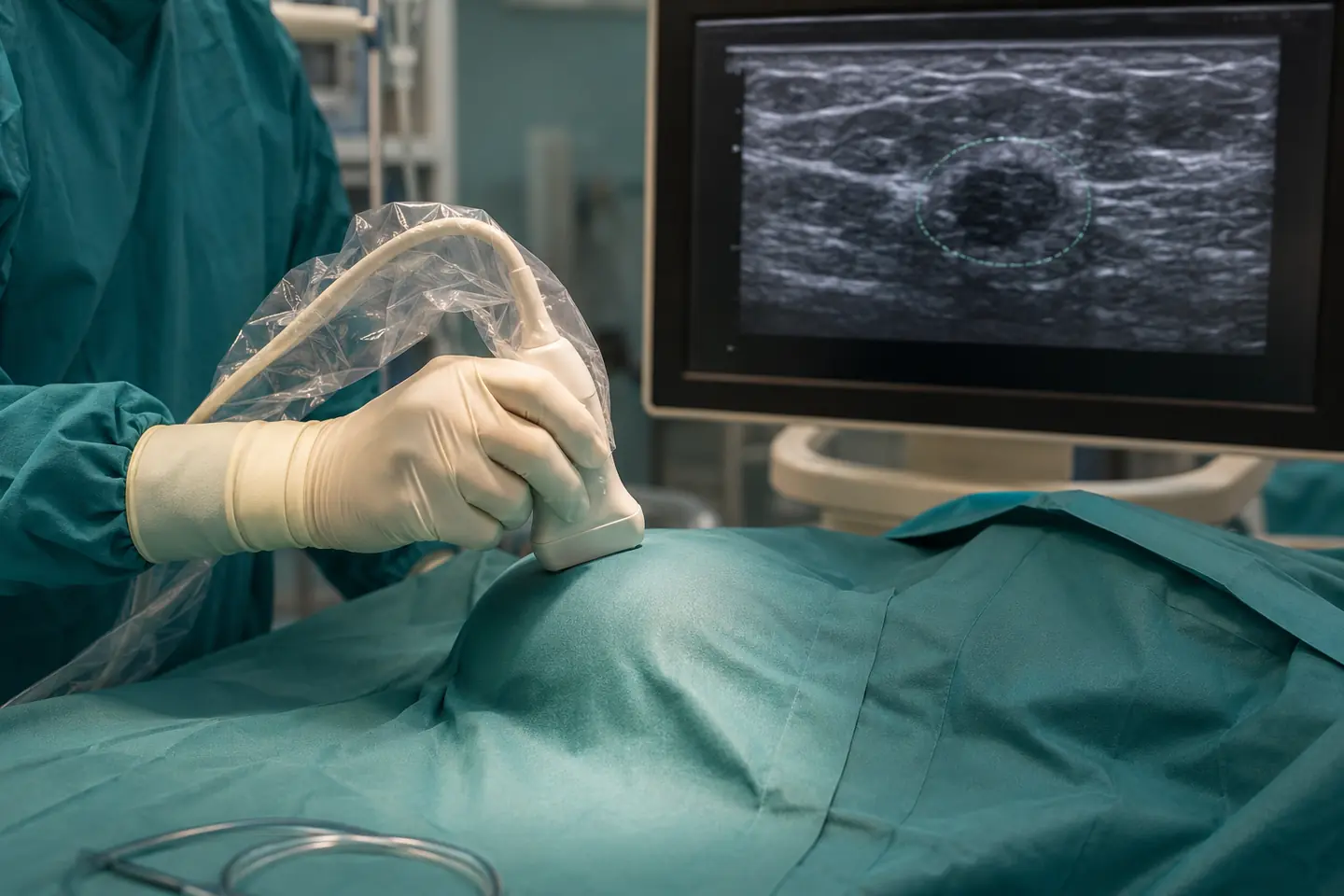
When a breast lesion is visible on ultrasound, using the scan during surgery can guide localisation and excision while helping preserve healthy tissue. Pathology remains the final test.
Read article
A successful breast operation starts before theatre. Consultant-led planning connects diagnosis, anatomy, goals, safety, consent and aftercare into one individual treatment pathway.
Read article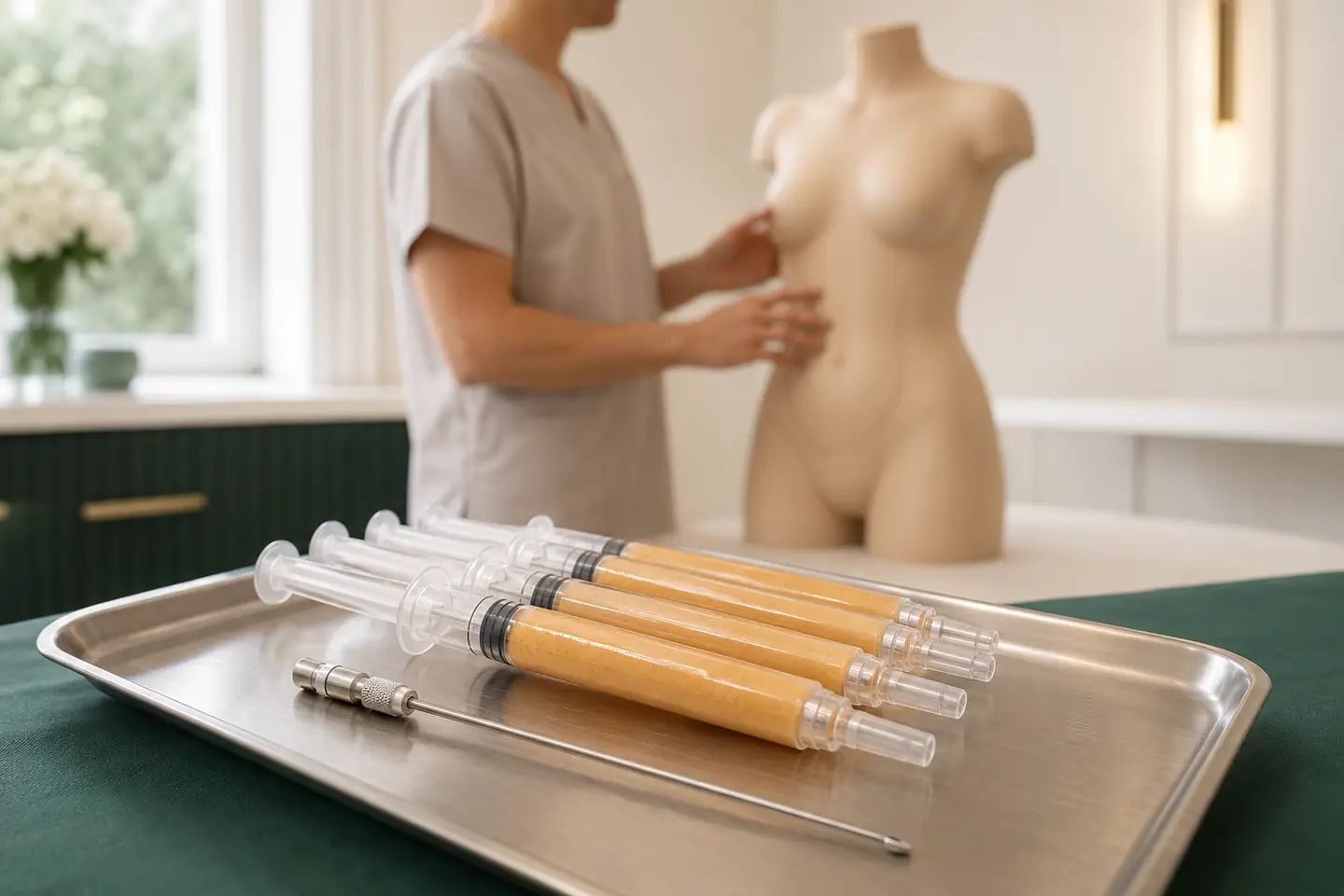
Breast fat transfer uses your own purified fat for a soft, subtle increase in volume and contour, but the achievable size is limited and some transferred fat is naturally reabsorbed.
Read article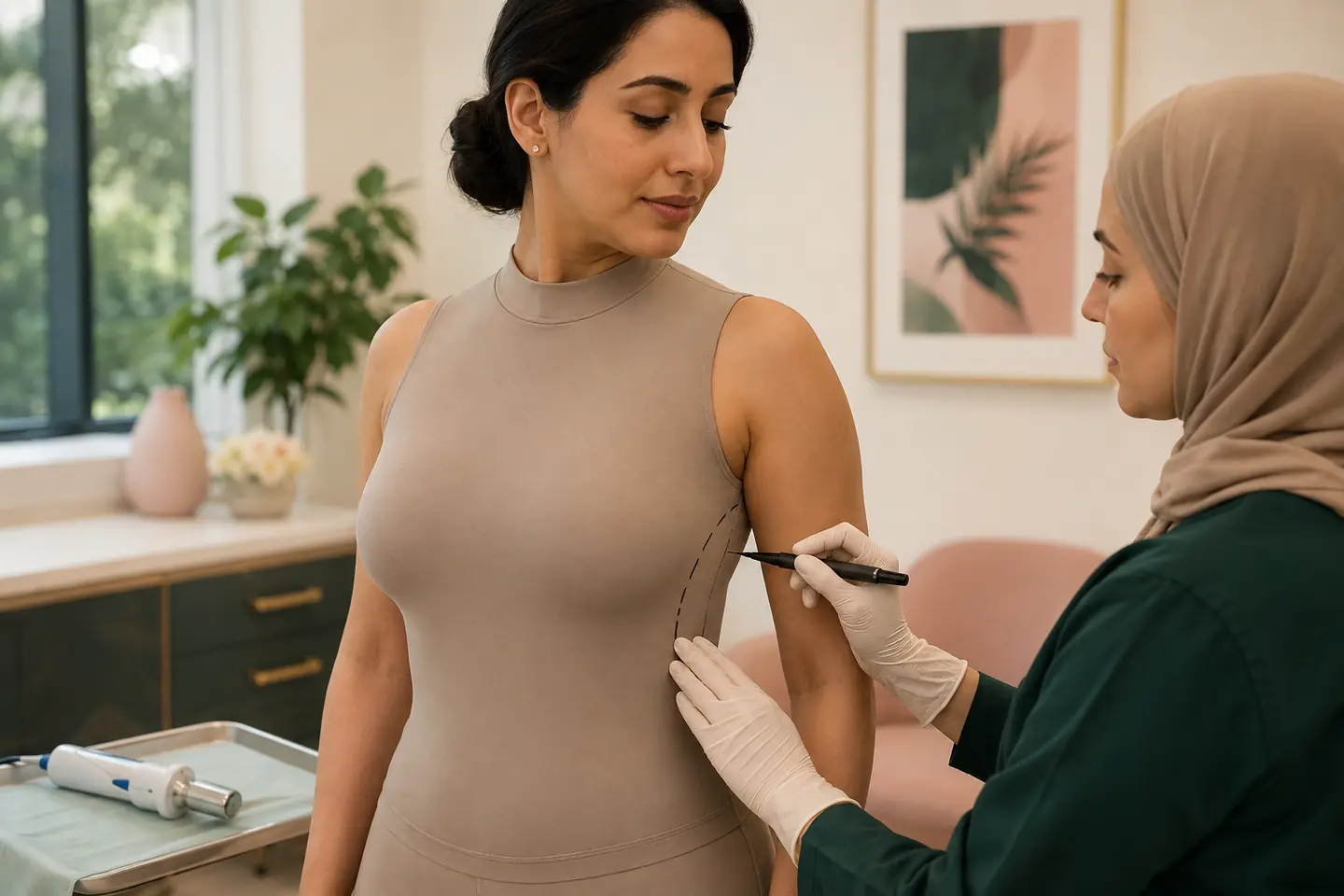
VASER-assisted contouring may improve selected areas of fat and mild skin laxity around the breast and chest, but it cannot reliably correct true breast droop like a mastopexy.
Read article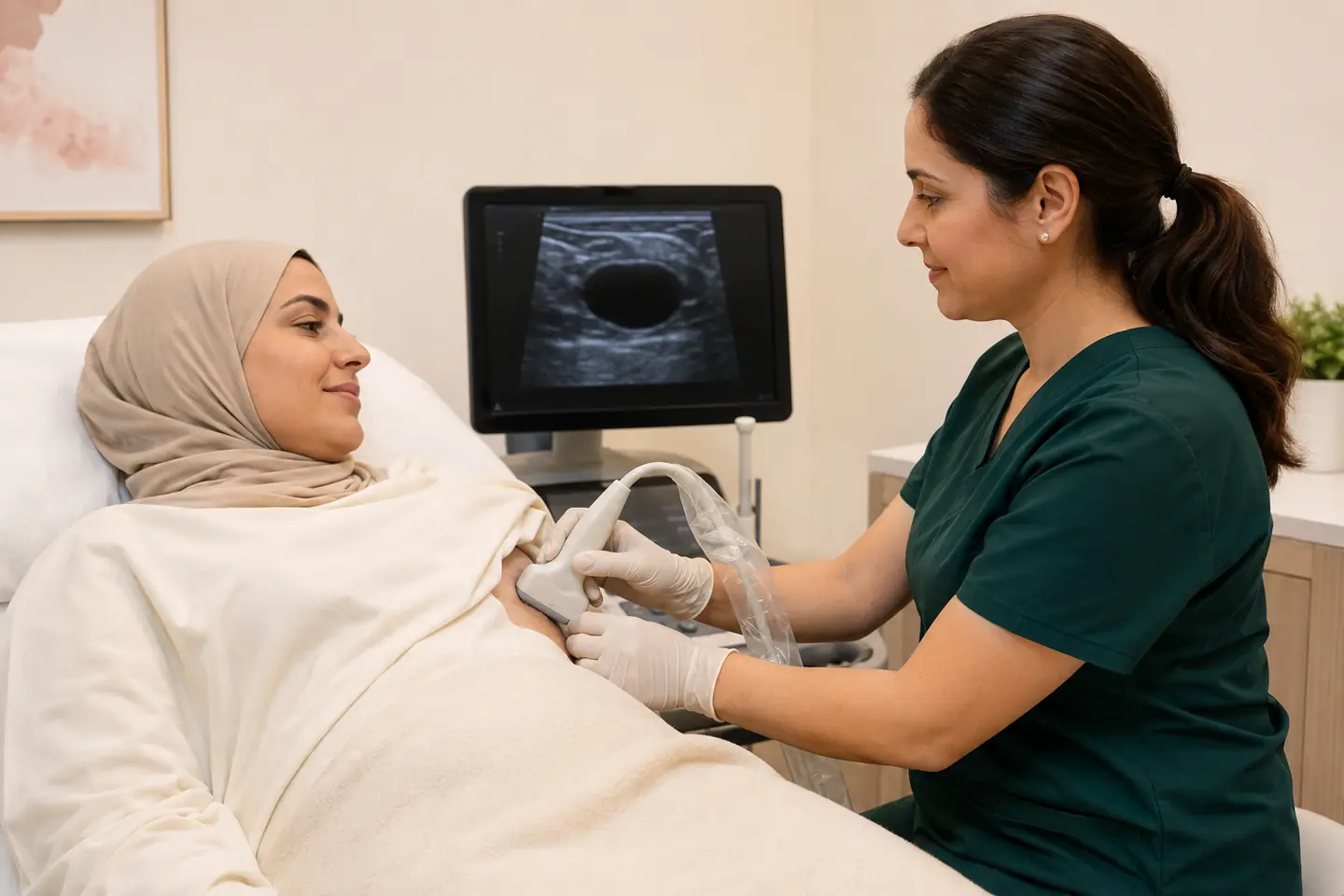
Many breast abscesses can be treated with ultrasound-guided needle aspiration or catheter drainage plus antibiotics, avoiding a larger incision in suitable cases.
Read article
Endolift is a minimally invasive subdermal laser treatment that may improve mild laxity or contour in selected areas, but evidence for breast lifting and leg cellulite remains limited.
Read article
Motiva implants have an FDA approval, but FDA approval applies to specific implants—not to an “awake” operation. Preservé requires careful patient selection and the same informed discussion as any augmentation.
Read article
The best breast implant is not one brand or cup size. It is a carefully selected combination of dimensions, fill, shape and profile matched to your tissues and aesthetic goals.
Read article
There is no honest league table for the best breast surgeon. The safest choice is a suitably trained, breast-focused surgeon who listens, explains options and provides reliable follow-up.
Read article
Breast pain is common and is rarely caused by cancer on its own. Its timing, location and associated symptoms help distinguish hormonal, breast and chest-wall causes.
Read article
Many breast skin changes come from irritation or infection, but persistent one-sided nipple changes and rapidly swollen, dimpled skin need prompt review.
Read article
A nipple may have pointed inward for years without being harmful, but a new change—especially on one side—deserves a breast assessment.
Read article
Breast reduction may relieve pain, skin irritation and activity limitations caused by heavy breasts. There is no single best age; timing is based on symptoms, breast development and general health.
Read article
Nipple discharge is often caused by a benign condition, but spontaneous, one-sided or bloodstained discharge deserves a careful breast assessment.
Read article
Modern silicone implants can be used safely in appropriately selected patients, but they are not lifetime devices and every patient should understand the possible complications and follow-up.
Read article
A clear introduction to lumpectomy, margins, lymph-node assessment and the role of multidisciplinary planning.
Read article