A surgical support bra—sometimes called a compression, corset or postoperative bra—is commonly advised after breast augmentation, reduction, lifting, reconstruction or cancer surgery. It can make movement feel more secure and protect dressings, but the right garment and duration depend on the operation. More compression is not automatically better.
What can a postoperative bra do?
A correctly fitted garment supports the breast, reduces uncomfortable movement and can hold soft dressings in place. Front fastenings may be easier when shoulder movement is limited. After implants or reshaping, a surgeon may use a specific band or cup design to support the planned position while swelling settles.
Some patients feel more confident walking and sleeping in support. In a randomised trial after breast cancer surgery, stable compression did not significantly reduce pain during the first two weeks overall, although among patients with residual pain at three weeks it was associated with less pain and better comfort, security and mobility.
Does compression prevent bleeding?
A bra cannot seal a bleeding blood vessel. Surgical technique, blood-pressure control, medication review and postoperative monitoring are the important safeguards. Compression may reduce superficial movement and swelling, but strong or uneven pressure can hide increasing swelling or damage skin.
Rapid enlargement of one breast, severe tightness, escalating pain, dizziness, faintness or shortness of breath needs urgent assessment. Do not simply tighten the garment.
Does it prevent seroma?
A seroma is a collection of clear fluid in a surgical space. Evidence does not show that external compression reliably prevents seroma after all breast operations. Randomised studies after lymph-node or mastectomy surgery have found no meaningful reduction in drainage or seroma with external compression in those settings.
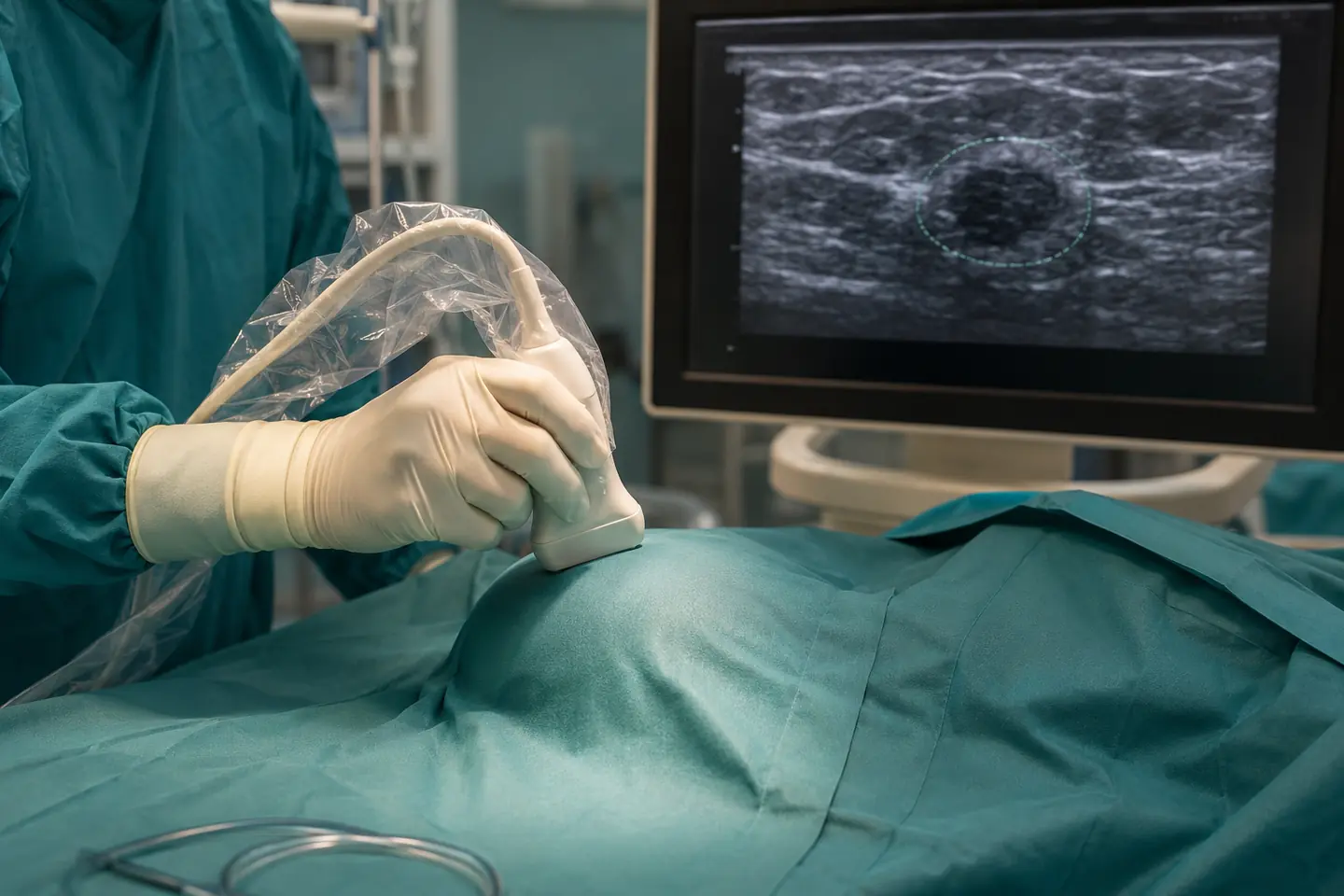
Seroma risk depends on the operation, tissue movement, lymphatic disruption, drains and individual healing. A support bra cannot replace drains when indicated, clinical review or ultrasound-guided aspiration if a symptomatic collection develops.
Choosing the correct fit
The garment should feel supportive rather than crushing. It should not cause breathlessness, deep grooves, blistering, numbness, cold or discoloured skin, or increasing pain. Seams and underwires may irritate fresh incisions, so many protocols use a soft, wireless, front-fastening bra initially.
Sizing must allow for early swelling. An implant band, abdominal-style binder or highly compressive corset should only be used when specifically prescribed because pressure in the wrong direction may affect shape or the skin. Do not insert extra pads or tighten straps to correct asymmetry without advice.
How long should it be worn?
There is no universal schedule. Some patients use support continuously except for washing during early recovery; others need it only for comfort or not at all. Duration varies with augmentation, lift, reduction, reconstruction, lumpectomy, mastectomy and lymph-node surgery. Follow the written plan from the operating team rather than a generic online timetable.
The bra should be removed as instructed to inspect the skin and wounds. Washing and changing the garment helps keep incisions dry and clean.
Pain, activity and recovery
A support bra is one part of recovery. Prescribed pain relief, gentle walking, shoulder exercises when recommended, sleep position, hydration and gradual return to activity also matter. Do not use tight compression as a substitute for pain assessment. New focal pain, fever, redness, discharge or a growing fluid wave needs review.
The practical message
A postoperative bra can improve comfort, confidence and control of movement when it is correctly fitted and selected for the operation. It should not be advertised as a guarantee against bleeding, pain or seroma. The safest garment is the one prescribed after your specific surgery, checked against your swelling, wounds, circulation and comfort.
Sources reviewed
PubMed — OptiBra randomised controlled trial of stable compression and pain: https://pubmed.ncbi.nlm.nih.gov/36893575/
PubMed — Randomised trial of external compression after axillary lymph-node surgery: https://pubmed.ncbi.nlm.nih.gov/10414691/
PubMed — Randomised trial of compression bandaging and seroma after mastectomy: https://pubmed.ncbi.nlm.nih.gov/41528508/