Preoperative planning is not an administrative step between booking and surgery. It is where the consultant decides whether an operation is appropriate, identifies risks, compares techniques and turns the patient’s goals into a realistic plan. In breast surgery, small differences in anatomy or diagnosis can change the safest operation considerably.
The operating consultant should understand your goal
The surgeon who will perform or directly supervise the procedure should meet the patient, take the medical history and explore the outcome she hopes to achieve. “Larger”, “smaller”, “lifted” or “natural” can mean different things to different people. Photographs and measurements can support communication, but the surgeon must translate a visual preference into an anatomically achievable result.
Professional guidance from the GMC emphasises that the clinician carrying out a cosmetic intervention is responsible for discussing it and seeking consent. This direct relationship helps align expectations and makes it easier to explain when an operation is unlikely to provide overall benefit.
Diagnosis comes before design
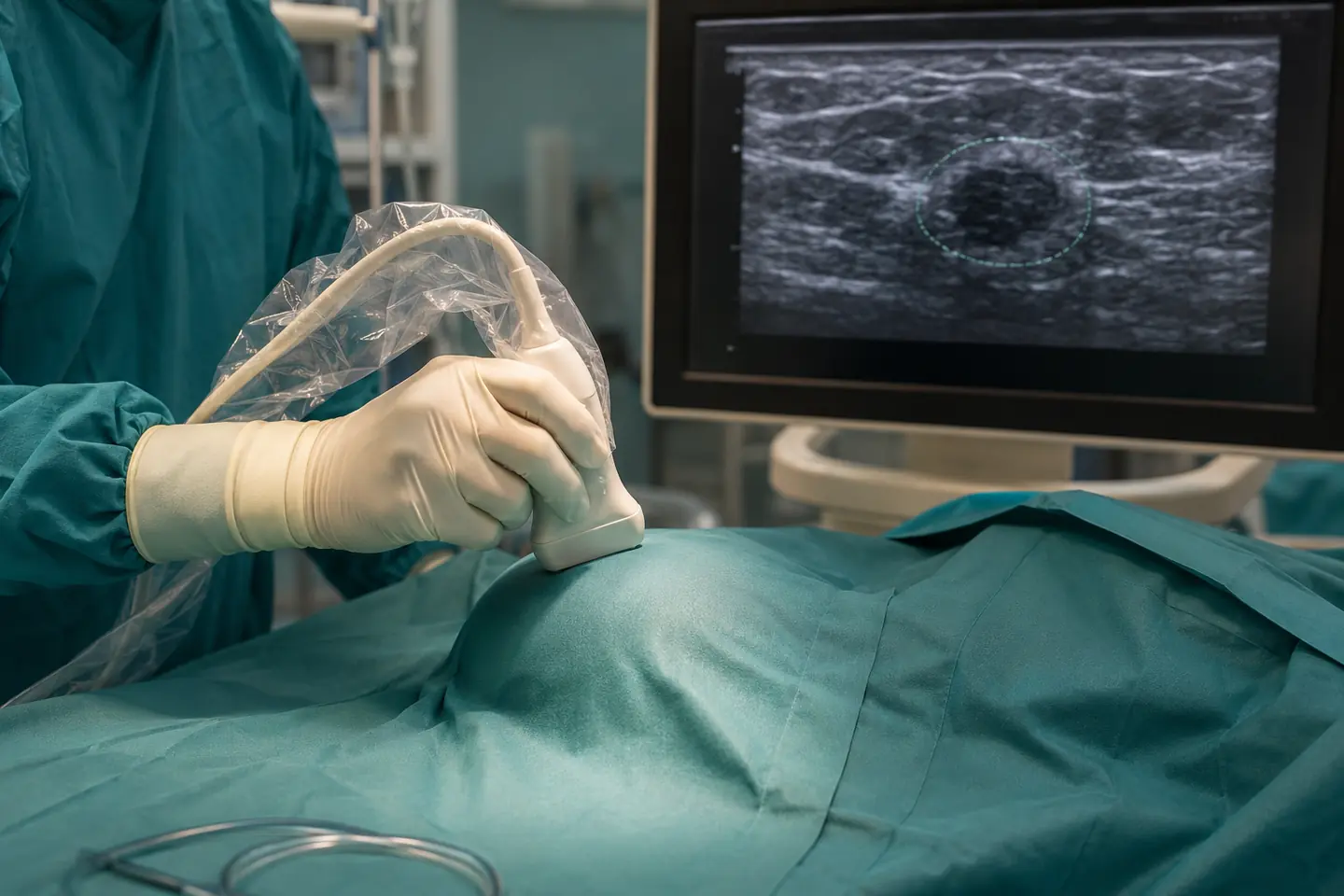
For a breast symptom or cancer, planning may include clinical examination, ultrasound, mammography, MRI or biopsy and multidisciplinary review. Tumour type and location, breast size, lymph nodes and anticipated additional treatment influence the operation.
For aesthetic surgery, the consultant assesses breast base width, skin quality, nipple position, gland distribution, asymmetry, chest-wall shape and existing scars. A patient asking for implants may actually need a lift, fat transfer or reassurance; a patient asking for a lift may benefit from reduction or volume restoration.
Medical risk assessment changes the plan
Smoking, diabetes, anaemia, obesity, clot history, medications, allergies, pregnancy plans, previous anaesthesia and heart or lung disease can alter wound healing, thrombosis, infection and anaesthetic risk. Planning may include blood tests, imaging, medication adjustment, smoking cessation or input from anaesthesia and other specialists.
This is also the time to decide the facility, anaesthetic, expected duration, positioning, antibiotics and clot-prevention strategy. Risk cannot be eliminated, but it can be recognised and reduced.
Technique and contingency planning
A clear plan specifies incision and scar position, tissue removal or reshaping, implant dimensions if used, whether ultrasound guidance or specimen imaging is needed, and how symmetry will be assessed. The consultant also considers a contingency: what should happen if tissue quality, bleeding, anatomy or pathology differs from expectation?
Complex cancer, reconstructive or revision cases may need coordination with radiology, pathology, oncology, plastic surgery or anaesthesia. Consultant leadership makes those decisions coherent rather than leaving each stage isolated.
Informed consent is a process
Good consent covers the expected benefit, common and serious risks, alternatives—including no surgery—recovery, scars, sensation, breastfeeding, future imaging, implant longevity and possible revision. Patients need time to reflect and ask questions. Consent is not made valid merely by signing a form on the day of surgery.
Plans should also address practical recovery: time away from work, help at home, driving, sleep position, garments, wound care, emergency contact and follow-up. A well-informed patient can recognise warning signs and participate safely in recovery.
Better planning does not mean a guaranteed result
Even excellent planning cannot control every aspect of healing, scar biology or tissue response. Its value is that the chosen operation is based on diagnosis, measured anatomy and informed priorities, with known risks anticipated and follow-up arranged.
The consultation outcome
At the end of planning, the patient should understand what is being proposed, why it is preferred, what alternatives exist, where scars will be, what recovery involves and whom to contact. Sometimes the most valuable consultant decision is to postpone, investigate further or advise against surgery. That judgement is part of safe care.
Sources reviewed
General Medical Council — Cosmetic interventions and consent: https://www.gmc-uk.org/professional-standards/the-professional-standards/cosmetic-interventions/communication-partnership-and-teamwork
Royal College of Surgeons of England — Pre-surgery information checklist: https://www.rcseng.ac.uk/standards-and-research/standards-and-guidance/service-standards/cosmetic-surgery/clinical-quality-and-outcomes/pre-surgery-information-checklist/
Royal College of Surgeons of England — Professional standards for cosmetic surgery: https://www.rcseng.ac.uk/standards-and-research/standards-and-guidance/service-standards/cosmetic-surgery/professional-standards-for-cosmetic-surgery/