The short answer is that modern silicone gel breast implants are regulated medical devices and many patients undergo breast augmentation safely. However, no implant and no operation is completely risk-free. A good decision depends on appropriate patient selection, an experienced surgeon, a licensed implant, informed consent and long-term follow-up.
Silicone, not injectable silicon
Breast implants contain medical-grade silicone and are very different from free silicone injections. Injectable silicone is not an approved method of breast augmentation. In the United States, the FDA approves silicone gel-filled implants for cosmetic breast augmentation from age 22; local regulations may differ in Egypt and other countries.
What does the evidence say about general health?
The FDA states that it has not detected an association between silicone gel-filled breast implants and breast cancer, reproductive problems or connective-tissue disease. Some patients report systemic symptoms such as fatigue, joint pain, rash, poor concentration or “brain fog”. These symptoms are often called breast implant illness, but their causes and the individual level of risk remain incompletely understood.
That distinction is important: the available evidence is reassuring about several feared diseases, but it does not mean implants are free from local complications or that every symptom should be dismissed.
Common and important implant risks
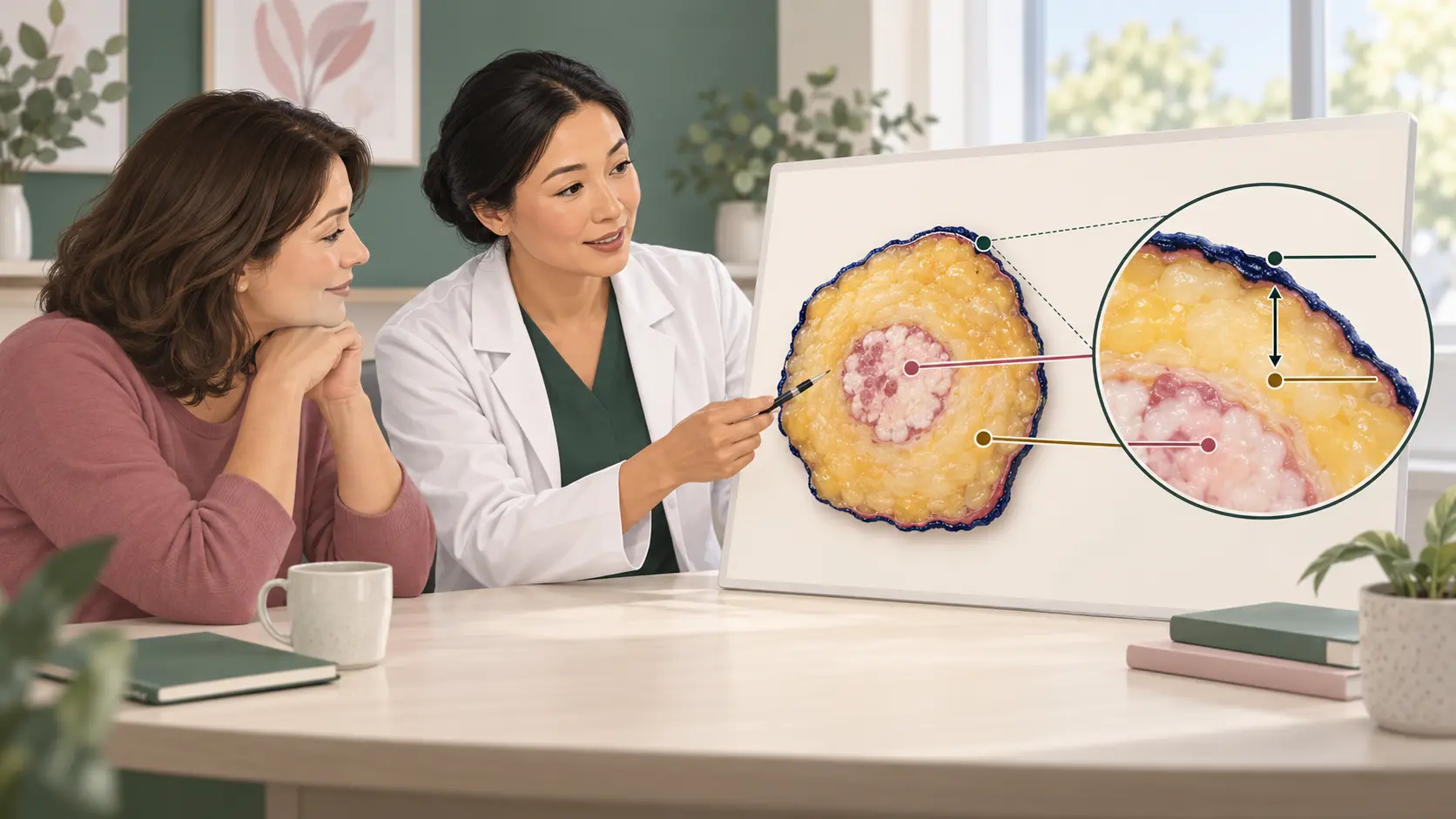
Possible complications include bleeding, infection, delayed wound healing, visible scarring, changes in nipple sensation, asymmetry, implant movement, rippling, pain and an unsatisfactory size or shape. Scar tissue naturally forms around every implant. If this capsule tightens, capsular contracture can make the breast firm, distorted or painful and may require further surgery.
Breast implants are not lifetime devices. The longer an implant remains in place, the greater the chance of rupture, contracture or another issue that may lead to revision, replacement or removal.
What is a silent silicone implant rupture?
A silicone implant can tear without an obvious change in breast appearance. This is called a silent rupture. MRI is the most effective imaging test for detecting it, and ultrasound is an accepted screening alternative for patients without symptoms. Your follow-up plan should reflect the implant manufacturer’s guidance, the date of surgery and your surgeon’s recommendations.
Arrange an assessment if an augmented breast develops a new change in shape, increasing firmness, a lump, persistent pain, swelling or a change in sensation.
What about BIA-ALCL?
Breast implant-associated anaplastic large-cell lymphoma, or BIA-ALCL, is an uncommon cancer of the immune system rather than breast cancer. It occurs in the fluid or capsule around an implant and has been reported more often with textured implants than smooth implants. Persistent swelling that appears months or years after surgery, a new mass, fluid around an implant or continuing pain needs specialist assessment.
The FDA has also received rare reports of squamous-cell carcinoma and other lymphomas in the capsule around breast implants. Knowledge is still evolving, which is one reason long-term monitoring matters.
How can breast augmentation be made safer?
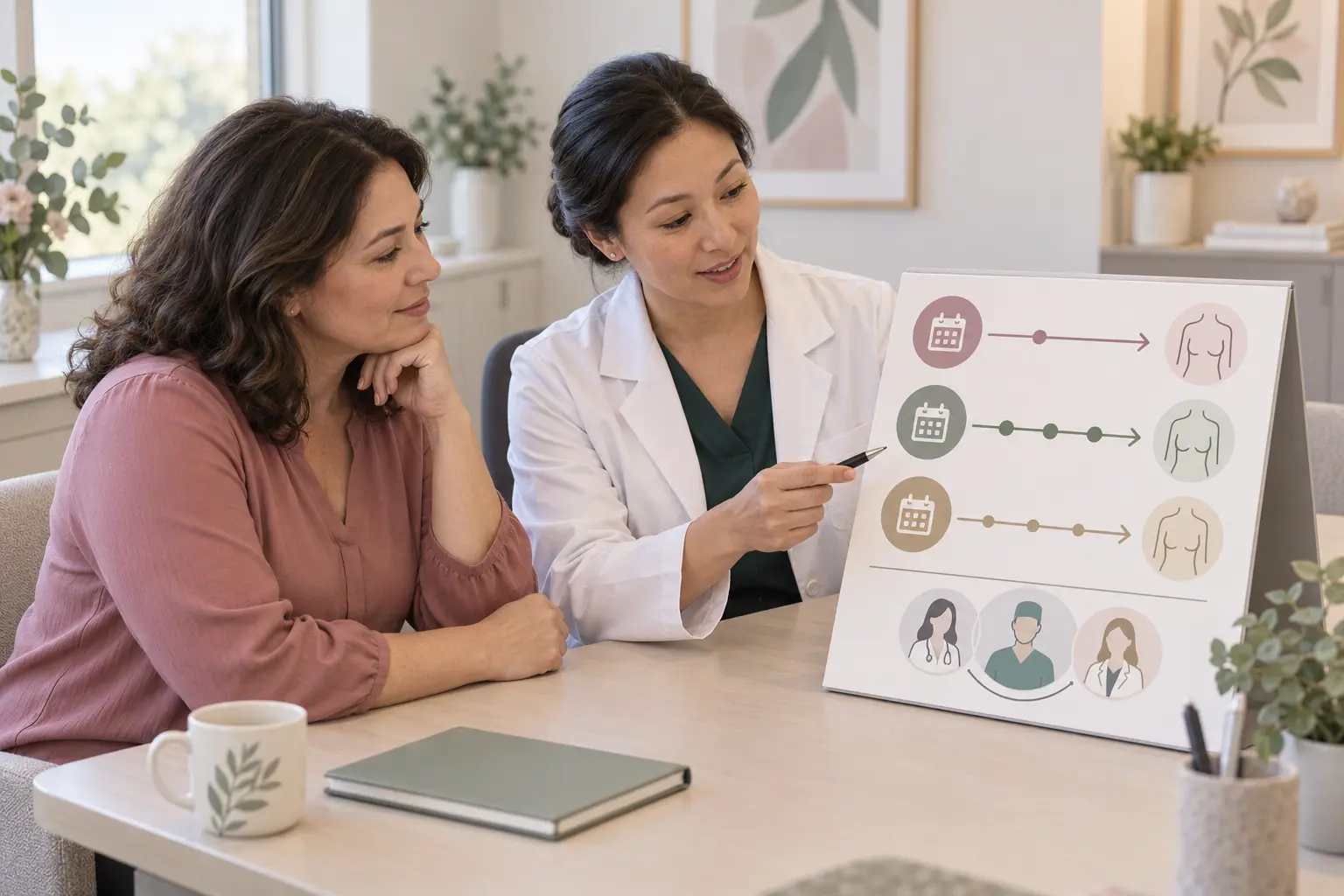
Choose a qualified surgeon who performs breast surgery regularly. Discuss the implant surface, shape, size, manufacturer, placement and expected effect on mammography and breastfeeding. Ask what happens if you need revision surgery and keep your implant device card. Stop smoking before surgery, disclose medicines and medical conditions, and attend planned follow-up.
The balanced conclusion
Silicone implants are a reasonable option for many appropriately selected adults, but “safe” should never be interpreted as permanent or complication-free. The consultation should compare implants with alternatives such as fat transfer, explain scars and recovery, and help you decide whether the expected benefit is worth the personal risks and future maintenance.
Sources reviewed
US Food and Drug Administration — Risks and Complications of Breast Implants: https://www.fda.gov/medical-devices/breast-implants/risks-and-complications-breast-implants
US Food and Drug Administration — Things to Consider Before Getting Breast Implants: https://www.fda.gov/medical-devices/breast-implants/things-consider-getting-breast-implants